 Chill
Chill Sleepy
 Focus
Focus Trippy
 Creative
 Energy
Blog
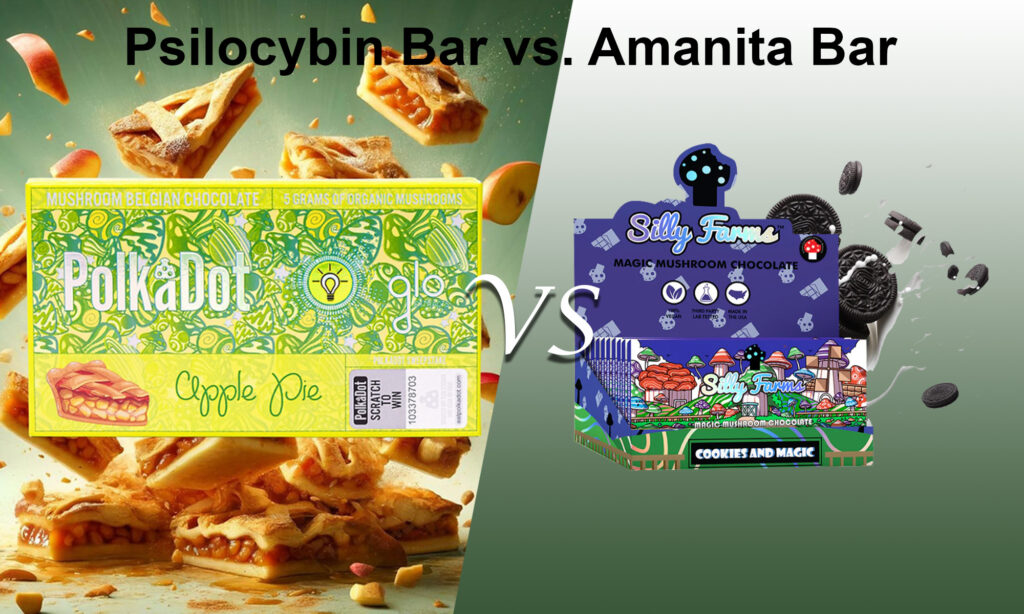
Psilocybin Mushroom Chocolate Bar vs. Amanita Muscaria
Feb
For most consumers, the phrase “magic mushroom chocolate” means chocolate infused with psilocybin mushrooms or at least shroom extracts, but is that actually the case?
Magic mushroom chocolate, or shroom bars, has become the new, most effective, most convenient, and legal way to enjoy the benefits of psychedelic mushrooms without the taste or jitters of raw shrooms, commonly sold as either Amanita mushroom bars or psilocybin shroom bars. This raises the question, “What’s the difference between Amanita muscaria and psilocybin mushroom chocolate bars?”
In this article, we’ll explain the key differences between psilocybin mushroom chocolate bars and Amanita mushroom bars, how they interact with the body, their various effects, and which resonates more with customers and why. We’ll also debunk the myth about what is actually used as the main active ingredient in most shroom bars.
Origins and Botanical Background of Psilocybin & Amanita Mushrooms
Psilocybin mushrooms and Amanita muscaria are two distinctly different types of fungi, each with unique botanical characteristics and chemical compositions that contribute to their varying effects.
Psilocybin Mushrooms, often referred to as “magic mushrooms,” belong primarily to the genus Psilocybe. These mushrooms are typically small to medium-sized, with a cap that can range in color from golden brown to caramel, sometimes exhibiting a bluish tint when bruised—a hallmark sign of psilocybin content.
Psilocybin mushrooms naturally contain the psychedelic compounds psilocybin and psilocin, which are responsible for their potent hallucinogenic effects. These species are found in various regions worldwide, thriving in humid, forested areas or grasslands rich in organic matter.
On the other hand, Amanita muscaria, commonly known as the fly agaric mushroom, is easily recognizable by its iconic bright red cap dotted with white spots. This mushroom belongs to the genus Amanita and is widespread across temperate and boreal regions of the Northern Hemisphere.
Unlike psilocybin mushrooms, Amanita muscaria contains different active compounds, primarily muscimol and ibotenic acid, which produce effects that are more sedative and deliriant than those of classic psychedelics.
Understanding these botanical differences is essential when comparing psilocybin mushroom chocolate bars to Amanita muscaria chocolate. Each mushroom’s unique chemical profile and growth environment influence not only their effects but also safety considerations and legal status in various parts of the world.
This foundational knowledge helps consumers make informed decisions about which type of mushroom-infused chocolate might best suit their preferences and intentions.
Active Compounds and How They Work
When comparing psilocybin mushroom chocolate bars to Amanita muscaria chocolate, it’s essential to understand the key compounds responsible for their distinct effects. Psilocybin mushrooms contain psilocybin and psilocin—psychoactive compounds that interact primarily with serotonin receptors in the brain.
When ingested, psilocybin converts to psilocin, which binds to serotonin 2A receptors, leading to altered perception, enhanced sensory experiences, and profound changes in mood and cognition.
These effects are often described as euphoric, introspective, and mind-expanding, which is why psilocybin mushrooms have gained popularity in both recreational and therapeutic contexts.
On the other hand, Amanita muscaria, also known as the fly agaric mushroom, contains completely different active compounds: ibotenic acid and muscimol. Ibotenic acid is a neurotoxin that, once ingested, partially converts into muscimol, the primary psychoactive agent.
Muscimol acts on GABA receptors in the brain, producing sedative, dissociative, and sometimes delirium-like effects.
- Unlike the serotonin-driven experience of psilocybin, Amanita muscaria’s effects can be more unpredictable, often involving muscle relaxation, altered motor control, hallucinations, and a dream-like state.
In chocolate form, these compounds are infused to create an edible experience that masks the natural taste of the mushrooms while delivering their psychoactive properties.
- However, because the chemical makeup and mechanisms of action differ significantly, users can expect distinctly different experiences from psilocybin mushroom and Amanita muscaria chocolates.
Main Active Ingredients in Most Shroom Bars
Due to legal constraints, most mushroom chocolate brands use different blends of compounds in their edibles. Lab reports from Tryptomics revealed that most “magic” mushroom chocolate bars, or shroom bars, do not actually contain psilocybin mushrooms or extracts from Amanita muscaria mushrooms.
Most brands used research chemicals to mimic the effects of psilocybin; some of these synthetic chemicals include,
- 4-ACO-DMT (Psilacetin)
- Entheogenic Blend (Kava, Kratom, and Blue Lotus)
Effects on Mind and Body: What to Expect
The effects on the mind and body can vary significantly when it comes to psilocybin mushrooms and Amanita muscaria chocolates, offering distinct experiences that are important to understand before consumption.
Psilocybin Mushroom Chocolate Bars are known for their powerful psychedelic effects, primarily due to the compound psilocybin. Once ingested, psilocybin is converted into psilocin, which interacts with serotonin receptors in the brain, leading to altered perceptions, enhanced sensory experiences, and profound changes in thought patterns.
Users often report vivid visual hallucinations, a heightened sense of connection, and deep introspective insights. Physically, effects may include mild nausea at the onset, slight changes in heart rate, and a sense of relaxation or euphoria.
The experience typically lasts between 4 and 6 hours, with the intensity peaking around 2 to 3 hours after ingestion. Recommended psilocybin chocolate brands include
On the other hand, Amanita Muscaria Chocolate contains psychoactive compounds such as muscimol and ibotenic acid, which produce a different kind of psychoactive effect. Rather than the classic psychedelic visuals and mind expansion associated with psilocybin, Amanita muscaria often induces feelings of sedation, mild euphoria, and a dream-like state.
Some users describe sensations of floating, light-headedness, or muscle relaxation. The onset can vary but generally occurs within 30 minutes to an hour, lasting anywhere from 3 to 7 hours. Recommended Amanita mushroom chocolate brands include
Physiological effects may include dizziness, sweating, and, in some cases, nausea, but these are usually less intense compared to psilocybin experiences.
Summary
In summary, if you are seeking a profound, mind-expanding psychedelic journey, psilocybin mushroom chocolate bars are more likely to deliver that. Conversely, Amanita muscaria chocolate offers a unique, more sedative and less visually intense experience that affects both mind and body more gently.
Regardless of your choice, it is crucial to approach these substances with respect, awareness of dosage, and in a safe environment.
Magic Mushroom Chocolate Risks and Legal Considerations
When exploring the world of psychedelic mushroom edibles, it’s crucial to understand the risks and legal considerations associated with psilocybin mushrooms and Amanita muscaria chocolate bars.
While many users report positive, transformative experiences with psilocybin chocolate bars, there are inherent risks, including anxiety, paranoia, and, in rare cases, psychotic episodes, especially in individuals with a predisposition to mental health disorders.
Additionally, the potency of psilocybin products can vary widely, making dosage control challenging and increasing the potential for adverse reactions.
Amanita muscaria, on the other hand, contains different active compounds such as muscimol and ibotenic acid, which produce effects that are distinct from classic psychedelics. Its consumption carries risks such as nausea, dizziness, and, in higher doses, delirium or seizures.
- Unlike psilocybin, Amanita muscaria’s effects are less predictable and can be more toxic if not prepared correctly.
Legally, psilocybin remains classified as a Schedule I substance in many countries, including the U.S, meaning it is illegal to possess, sell, or consume outside of approved research settings.
- However, some regions have begun decriminalizing or legalizing psilocybin for medical or recreational use, so it’s essential to stay informed about local laws. Amanita muscaria’s legal status is generally less restrictive, as it is not classified as a controlled substance in most areas, especially in the US, but this does not guarantee the safety or legality of sale for consumption purposes.
Ultimately, anyone considering these substances should conduct thorough research, approach use with caution, and be mindful of the legal landscape to ensure safety and compliance.
Consulting with healthcare professionals or experts is also highly recommended before experimenting with psychedelic products.
Safety Guidelines and Dosage Recommendations
When exploring the world of psilocybin mushroom chocolate bars and Amanita muscaria chocolate, understanding proper guidelines and dosage recommendations is crucial for a safe and enjoyable experience. Both substances have distinct effects, potencies, and risk profiles, so dosing should be approached with caution and respect.
Psilocybin Mushroom Chocolate Bars
Psilocybin is a potent psychoactive compound known for its hallucinogenic effects. Chocolate bars infused with psilocybin mushrooms provide a discreet and palatable way to consume this substance.
- For beginners, it’s generally recommended to start with a low dose—around 1 to 2 grams of dried mushroom equivalent, often corresponding to a small portion of the chocolate bar. This low dose helps gauge individual sensitivity and tolerance.
- Experienced users may adjust their dosage accordingly, but should always avoid exceeding 3.5 grams to minimize the risk of overwhelming or adverse reactions. It’s important to consume psilocybin in a safe, comfortable environment and to avoid mixing it with other substances.
Amanita Muscaria Chocolate
Amanita muscaria mushrooms contain different psychoactive compounds, primarily muscimol and ibotenic acid, which produce effects distinct from psilocybin.
- The potency of Amanita muscaria can vary significantly depending on preparation, so starting with a very small dose—equivalent to a fraction of a gram of dried mushroom—is advised. Often, chocolate infused with Amanita muscaria includes carefully measured extracts to ensure safer consumption.
- Due to the variability of effects and potential for nausea or other side effects, newcomers should begin with the lowest recommended dose and wait several hours to assess effects before considering more.
General Safety Tips:
- Always purchase from reputable sources like MushroomChocolateBars.com that provide clear dosing information and quality assurance.
- Avoid driving or operating heavy machinery while under the influence.
- If you have any underlying health conditions or are taking medications, consult a healthcare professional before use.
- Never combine these substances with alcohol or other drugs.
- Have a trusted friend nearby if you’re trying these products for the first time.
By respecting these guidelines and starting with conservative doses, you can better ensure a positive and safe experience with psilocybin mushroom chocolate bars and Amanita muscaria chocolate.
Remember, the key is to listen to your body and proceed mindfully.
Conclusion: Choosing Between Psilocybin Mushroom and Amanita Muscaria Chocolate
When comparing Psilocybin mushroom chocolate and Amanita Muscaria chocolate, it’s essential to understand that these two types of mushroom-infused edibles offer vastly different experiences, effects, and safety profiles.
Psilocybin mushrooms, often referred to as “magic mushrooms,” contain the psychoactive compound psilocybin, which produces hallucinogenic effects characterized by vivid visual and auditory distortions, altered perception of time, and profound changes in mood and thought.
When infused into chocolate, psilocybin’s bitter taste is masked, making it easier and more enjoyable to consume. The effects typically begin within 20 to 60 minutes and can last anywhere from 4 to 6 hours, offering a deeply introspective and often spiritual experience.
Amanita Muscaria, on the other hand, recognizable by its iconic red cap with white spots, contains different active compounds, primarily muscimol and ibotenic acid.
Its effects are more sedative and dissociative rather than hallucinogenic in the traditional sense. Amanita Muscaria chocolate may induce feelings of relaxation, euphoria, and mild delirium but tends to lack the vivid psychedelic visuals associated with psilocybin.
Additionally, the onset and duration can vary significantly, sometimes accompanied by nausea or other unpleasant side effects if not prepared correctly.
In summary,
While both chocolates offer unique experiences derived from their respective mushrooms, psilocybin chocolate is sought after for its classic psychedelic journey, whereas Amanita Muscaria chocolate is generally used for its calming and sedative properties.
Understanding these key differences is crucial for anyone interested in exploring mushroom-infused edibles safely and responsibly.
Related Articles
Best Psilocybin Mushroom Gummies on the Market
Functional Vs Psychedelic Mushroom Gummies